Iran has once again announced tighter controls over the Strait of Hormuz after previously declaring the waterway open during the ceasefire.
Iranian state media reported that the strait would be returned to its previous status.
Tehran accused the United States of maritime piracy through its blockade of Iranian ports.
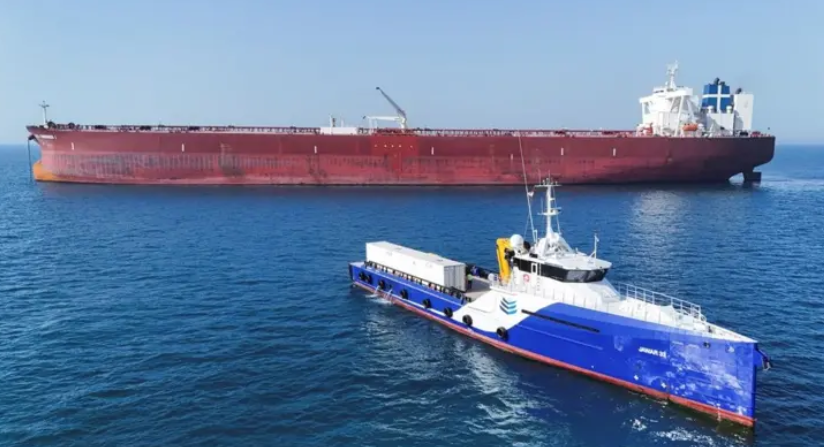
Tensions escalated when a tanker was reportedly attacked by two armed speedboats near Oman.
British maritime authorities stated that the vessel and its entire crew were safe.
Additionally, several merchant ships were reportedly fired upon while attempting to pass through the strait.
Another vessel reportedly received a radio message stating that no ships were permitted to pass.
This situation has caused confusion because just the day before, Iran had declared the strait fully open to commercial vessels via specific routes.
U.S. President Donald Trump initially welcomed the opening, but emphasized that the naval blockade against Iran remains in effect until negotiations are concluded.
A spokesperson for the Iranian Ministry of Foreign Affairs stated that the strait’s open-or-closed status would be determined on the ground, not via social media.
Iranian state television also noted that commercial vessels are only permitted to use specific routes, while military vessels remain banned.
Global shipping companies remain uncertain whether the route is safe to navigate.
The head of the International Maritime Organization has called for clarity regarding safety and compliance with international law.
Some ships have even reportedly turned off their identification systems to avoid being targeted.
Meanwhile, the U.S. military has been enforcing a blockade of Iranian ports since mid-April on Trump’s orders.
China has condemned the move, arguing that the blockade could undermine the fragile ceasefire.
Beijing insists that only an end to the war and peaceful dialogue can restore normal traffic in the Strait of Hormuz.
For global markets, these latest developments heighten the risk of surging energy prices and disruptions to international supply chains.