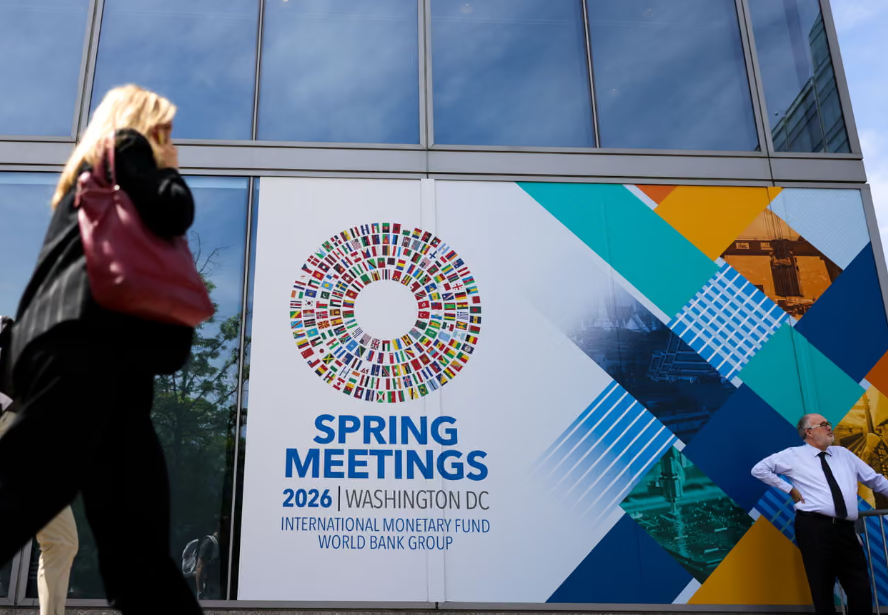
A Guardian article describes the gloomy atmosphere at the IMF and World Bank meetings in Washington.
The forum, which is usually a venue for global economic optimism, is now overshadowed by the war in Iran.
The conflict has sparked fears of a global recession, soaring energy prices, and a new economic crisis.
Some observers have compared the current situation to the oil shocks of the 1970s.
Many global financial officials arrived with high levels of anxiety.
Finance ministers, central bank governors, and investors believe the war has reversed the hopes for economic recovery that had begun to emerge.
The closure and disruption of major energy routes threaten to push inflation back up and weaken global growth.
Rachel Reeves was one of the most vocal figures at the forum.
She called the United States’ decision to enter the war a strategic mistake that has had adverse effects on many countries.
According to her, household living costs in the UK are also at risk of rising due to the conflict.
IMF Managing Director Kristalina Georgieva emphasized the importance of ending the conflict as soon as possible.
The IMF fears the war will worsen global debt, raise borrowing costs, and force many countries to adopt emergency policies.
The article emphasized that this IMF meeting felt like it was taking place in a twilight zone.
The world is seen as filled with uncertainty, international cooperation is weakening, and global leaders are searching for a way out amid the shadow of war.