The Middle East crisis is beginning to show signs of easing, though the situation remains fragile.
One of the key developments is the implementation of a 10-day ceasefire between Israel and Lebanon.
The agreement has temporarily halted fighting between the Israeli military and Hezbollah.
Thousands of Lebanese civilians who had previously fled are beginning to return to their homes.
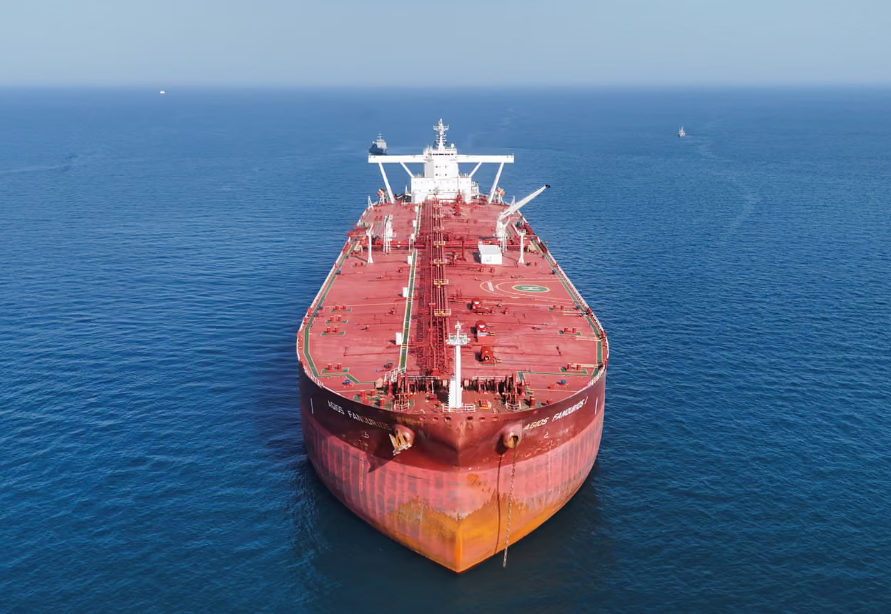
Meanwhile, Iran announced that the Strait of Hormuz has reopened to commercial shipping during the conflict’s lull.
The news immediately lowered global oil prices and boosted global stock markets as vital energy routes resumed operations.
However, Iran also warned that the strait could be closed again if the U.S. naval blockade continues.
President Donald Trump claimed this development as a major diplomatic success.
He stated that the United States would maintain the blockade against Iranian ports until a final agreement is reached.
Trump also said Israel would not continue bombing Lebanon during the ceasefire.
Meanwhile, Lebanese President Joseph Aoun called for this ceasefire to be extended into a permanent agreement.
He believes the current momentum must be harnessed to preserve Lebanon’s sovereignty and end the protracted conflict.
Despite the optimism, tensions have not completely subsided.
Recent reports mention attacks on ships in the Strait of Hormuz and new threats from Iran if U.S. pressure continues.
This means the regional situation remains highly volatile at any moment.