The government began implementing a single-window export policy for strategic natural resources through PT Danantara Sumber Daya Indonesia (DSI) on June 1, 2026, as part of efforts to strengthen national trade governance.
In the initial phase, the policy covers Indonesia’s three main export commodities—coal, palm oil, and ferroalloys—which have long been significant contributors to the country’s foreign exchange earnings.
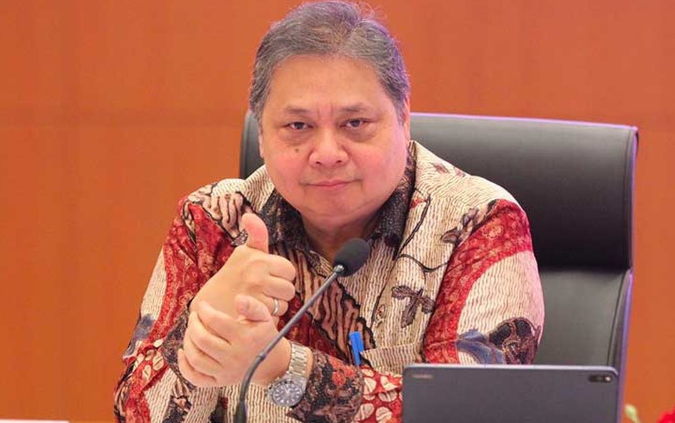
Coordinating Minister for the Economy Airlangga Hartarto explained that this new system is designed to enhance transparency, data validity, and the effectiveness of oversight over national export activities.
The government also aims to reduce practices such as under-invoicing, transfer pricing, and potential capital flight from export proceeds, which have long been seen as diminishing economic benefits for Indonesia.
During the transition period beginning June 1, 2026, export companies may continue their export activities as usual without any immediate changes to trade mechanisms.
However, all exporters are required to report their export activities to PT DSI, the state-owned enterprise designated to manage the single-window export system.
This reporting system has been integrated with the Directorate General of Customs and Excise’s CEISA 4.0 platform to ensure real-time data synchronization.
The government will conduct periodic evaluations every three months to assess the effectiveness of policy implementation and identify areas that still need improvement.
The results of these evaluations will serve as the basis for determining the next implementation phases before the full-scale national rollout of the single-window export system.
Full implementation through PT DSI is targeted to take effect no later than January 1, 2027, so that businesses have sufficient time to adjust their business and administrative processes.
The three commodities selected for the initial phase of this policy were chosen because they make a significant contribution to national exports and are one of the main pillars of Indonesia’s trade surplus.
Through this policy, the government hopes that Indonesia’s export management will become more transparent, efficient, and capable of having a greater impact on economic growth and national foreign exchange reserves.