The release of the documentary Pesta Babi has sparked a range of reactions from traditional and religious leaders, as well as members of the community in Papua. They emphasize the importance of presenting a complete picture of Papua so that the public can gain a more comprehensive understanding of conditions in the region.
Several figures argued that narratives that focus heavily on conflict risk overlooking the various developments currently underway in Papua, including infrastructure development, improvements in public services, and various community empowerment programs.
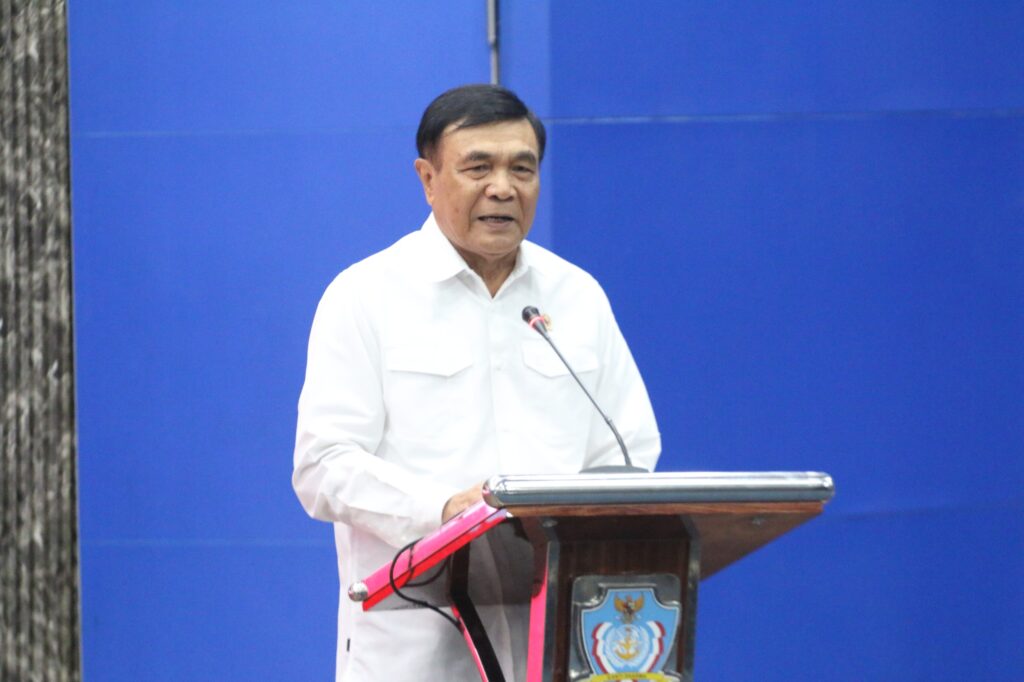
The Coordinating Minister for Political and Security Affairs, Djamari Chaniago, emphasized that development in Papua is aimed at improving the welfare of the people through an approach that respects local culture, strengthens public services, and promotes sustainable development.
According to him, Papua possesses significant potential across various sectors—such as food, fisheries, energy, and human resource development—which can serve as the foundation for future economic growth and community welfare.
A Papuan indigenous woman leader, Yasinta Moiwend, also known as Mama Sinta, expressed her disappointment because she did not realize that the activities she participated in would be used in a documentary film with a specific narrative.
He believes that the people of Papua currently need more attention in the areas of education, employment, and improved welfare—areas that can directly benefit their lives.
Meanwhile, Petrus Canisius Mandagi urged the public to view the film’s content critically and not to treat a single perspective as a representation of Papua’s overall conditions.
According to him, Papua also has many stories of brotherhood, cooperation, development, and the community’s optimism in building a better future.
A Papuan indigenous youth leader, Paulinus Ohee, also emphasized the importance of maintaining unity and not being easily swayed by narratives that could fuel division within the community.
Overall, these leaders believe Papua is currently undergoing various changes and progress. Therefore, they hope the public can view Papua more objectively by acknowledging existing challenges alongside the ongoing positive developments.