Amid the turmoil in the Middle East, China is seen as shifting its strategy toward Taiwan and Japan.
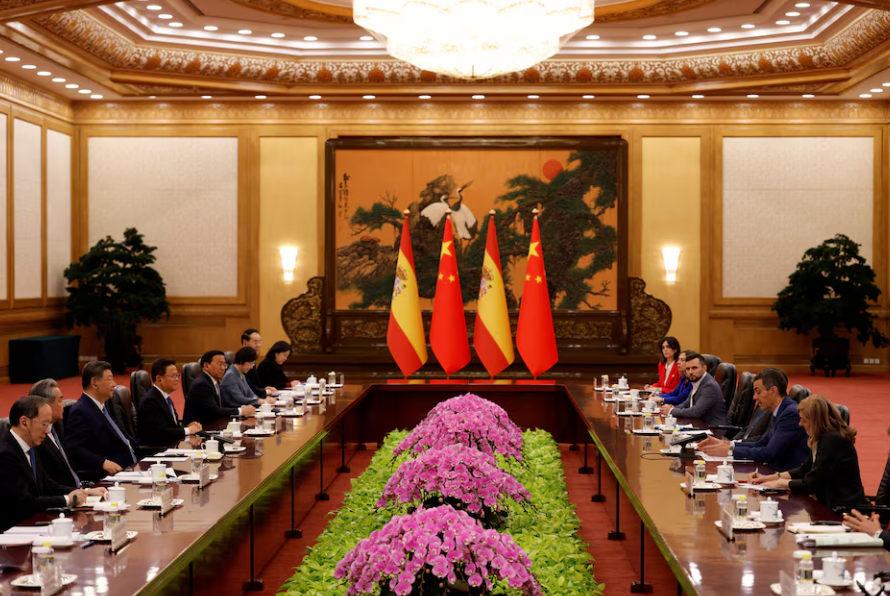
As the world’s attention is drawn to the conflict in that region, Beijing is striving to present itself as a stable diplomatic power by hosting visits from foreign leaders and offering to act as an international mediator.
At the same time, however, China is actually ramping up pressure in East Asia.
Regarding Taiwan, Beijing has begun shifting its narrative from the threat of direct military invasion to a political approach.
China is reportedly hoping that the opposition Kuomintang (KMT) party, which is more open to relations with Beijing, will win Taiwan’s 2028 election.
If the Democratic Progressive Party (DPP) remains in power, tensions are expected to rise.
Meanwhile, China’s relations with Japan are also heating up.
Beijing has intensified its criticism of Japan’s new prime minister following statements deemed provocative.
On the other hand, Japan is strengthening its security ties with NATO and other global partners in response to rising regional threats.
Although China is attempting to leverage the global situation to expand its diplomatic influence, significant challenges remain.
Trade tensions, disrupted trade routes, and the political situations in Taiwan and Japan could limit Beijing’s ambitions.